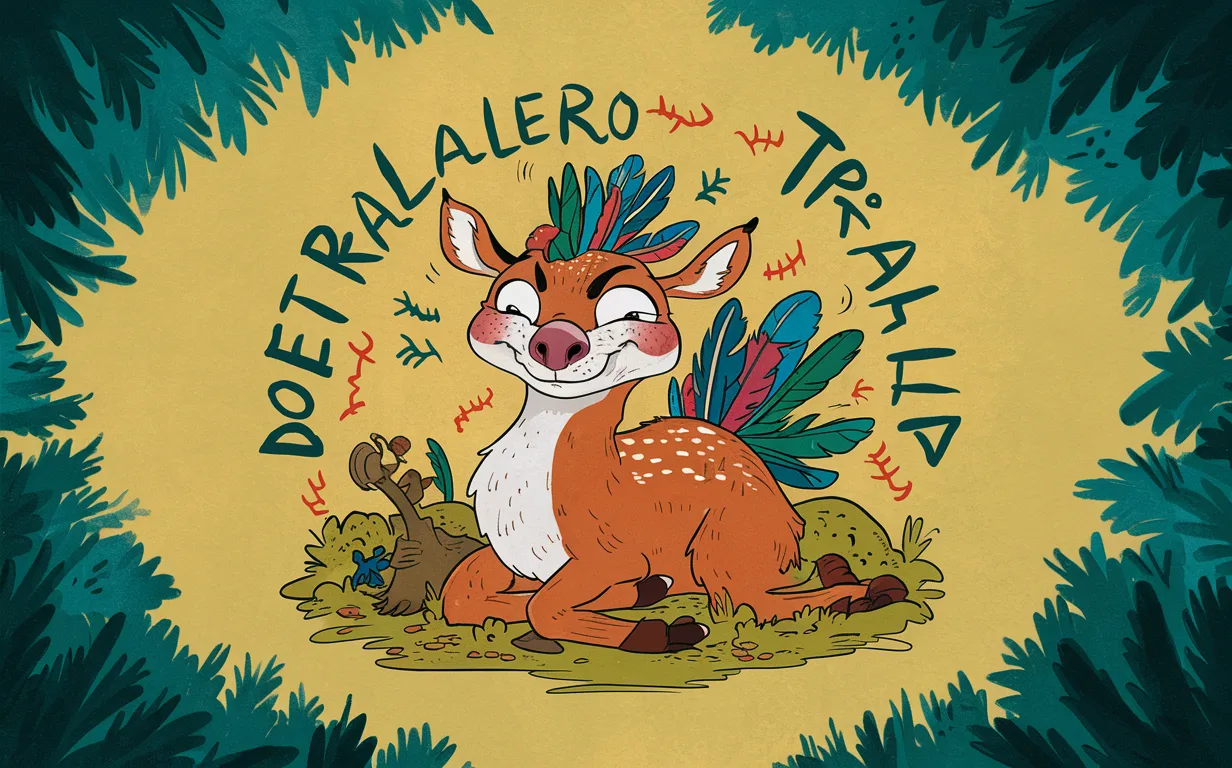
At first glance, tralalero and tralalala seem like two names for the same thing, but using the wrong one can change your entire context. Whether you are dealing with this for the first time or just trying to get your facts straight, understanding the core difference is essential.
The phrase “tralalero tralala” often appears playful, musical, and even a little mysterious to English speakers. You may have heard it in songs, casual conversations, children’s rhymes, memes, or even sarcastic remarks online. Despite sounding silly or meaningless, this expression carries layered meanings shaped by culture, emotion, and context.
Definition & Core Meaning
At its core, tralalero tralala is a nonsense or melodic expression used to convey emotion rather than information.
Core meanings in simple terms:
- A lighthearted, carefree attitude
- A way to fill silence with sound
- A musical or rhythmic placeholder
- A signal of not taking something seriously
- A playful way to dismiss concern or complexity
Simple examples:
- “He skipped down the road humming tralalero tralala, clearly unbothered.”
- “She waved off the problem with a tralalero tralala and changed the subject.”
- “The song had no words, just tralalero tralala repeating softly.”
In English understanding, the phrase functions like:
- “La la la”
- “Whatever”
- “It’s all good”
- “I’m carefree right now”
The meaning always depends on tone, situation, and intent, not literal translation.
Historical & Cultural Background
Ancient roots of rhythmic sounds
Human cultures have always used nonsense syllables in music and storytelling. Long before written language, rhythm and sound carried emotion. Chanting repetitive syllables helped people remember songs, soothe children, and create shared experiences.
Expressions similar to tralalero tralala appear in:
- Medieval European folk songs
- Italian street music traditions
- Early children’s rhymes across cultures
European folk influence
In many Western folk traditions, syllables like tra-la-la were used to:
- Maintain rhythm when lyrics were forgotten
- Lighten the mood during communal singing
- Encourage audience participation
Italian musical culture, in particular, embraced playful sounds like tralalero, often to express joy or irony.
Global parallels
While the phrase itself sounds European, similar expressions exist worldwide:
- Asian lullabies use soft repetitive sounds
- Indigenous chants rely on rhythm over words
- African and Latin musical traditions use vocal sounds to energize gatherings
This shared human habit gives tralalero tralala a universal emotional resonance.
Emotional & Psychological Meaning
Beyond sound, tralalero tralala represents a mindset.
Emotional symbolism
- Letting go of stress
- Emotional lightness
- Innocence and simplicity
- Emotional avoidance (sometimes intentionally)
Psychological interpretation
When someone uses this phrase, they may be:
- Protecting themselves from worry
- Choosing joy over seriousness
- Expressing playful denial
- Signaling emotional distance without confrontation
In personal growth contexts, it can symbolize:
- Detachment from negativity
- Choosing peace over argument
- Embracing imperfection
However, it can also suggest emotional avoidance when used excessively, especially in serious situations.
Different Contexts & Use Cases
Personal life
People hum or say tralalero tralala when:
- Cleaning or relaxing
- Feeling carefree
- Trying to lighten a tense moment
Social media
Online, the phrase is often used:
- As a meme caption
- To mock overthinking
- To show ironic indifference
Example:
“Everyone arguing in comments while I’m just tralalero tralala.”
Relationships
In relationships, it can mean:
- Playful teasing
- Dodging a serious conversation
- Expressing comfort and ease
Tone matters greatly here—it can feel cute or dismissive.
Professional or modern usage
In professional settings, it is usually:
- Used jokingly
- Found in creative industries
- Avoided in formal communication
It signals informality and emotional distance from pressure.
Hidden, Sensitive, or Misunderstood Meanings
Common misunderstandings
- Thinking it belongs to a specific language
- Assuming it has one fixed meaning
- Believing it is childish and meaningless
When meaning shifts
The phrase can change meaning based on:
- Sarcasm
- Cultural expectations
- Power dynamics in conversation
Sensitive contexts
Using tralalero tralala during:
- Serious discussions
- Emotional disclosures
- Cultural or personal conflicts
…can feel dismissive or disrespectful.
Understanding when not to use it is just as important as knowing what it means.
How to Respond When Someone Asks About It
Casual responses
- “It’s just a playful sound.”
- “It means I’m relaxed.”
Meaningful responses
- “It’s a way to express lightness without words.”
- “It shows emotional freedom.”
Fun responses
- “It means life is good today.”
- “It’s my stress-free language.”
Private responses
- “Sometimes it’s easier to hum than explain.”
- “It’s how I protect my peace.”
Regional & Cultural Differences
Western cultures
Often used playfully or sarcastically, especially in music and humor.
Asian cultures
Similar sounds appear in lullabies and calming chants, focusing on comfort.
Middle Eastern contexts
Less common linguistically, but similar rhythmic expressions exist in poetry and music.
African & Latin cultures
Rhythmic vocal sounds are central to music, often expressing community and joy.
Across regions, the emotion matters more than literal meaning.
Linguistic Role of Sound-Based Expressions
Sound-based expressions like tralalero tralala play a unique role in human communication. Unlike standard words, they bypass logic and go straight to emotional understanding. Linguists often describe these as phatic expressions—sounds used to create connection rather than convey information.
In English communication, such expressions help:
- Maintain conversational flow
- Reduce emotional intensity
- Signal mood without explanation
Because they are not bound by grammar, they feel universal. Even someone hearing tralalero tralala for the first time can sense whether it is playful, ironic, or dismissive. This makes it powerful despite its simplicity.
Why the Phrase Feels Instantly Familiar
One reason tralalero tralala resonates so widely is because the human brain is wired to respond to rhythm and repetition. Repeated vowel sounds create comfort and predictability, which the mind interprets as safe and familiar.
Psychologically, this familiarity:
- Lowers emotional defenses
- Creates nostalgia
- Triggers childhood memories
- Encourages relaxed attention
That is why people often smile unconsciously when they hear it. The phrase feels remembered, even when it is newly encountered.
Use in Humor, Satire, and Irony
In modern usage, tralalero tralala is frequently employed as a subtle tool of humor. Instead of directly mocking a situation, the speaker uses this phrase to signal ironic detachment.
In satire, it often means:
- “This problem is being exaggerated”
- “I refuse to take this seriously”
- “The drama is unnecessary”
This indirect approach allows people to express criticism without confrontation, making it socially effective and emotionally safe.
Why It Has No Fixed Translation
Many people search for an exact English meaning, but tralalero tralala resists translation by design. Its purpose is emotional expression, not semantic clarity.
Unlike standard vocabulary:
- It does not describe an object
- It does not define an action
- It does not state an opinion
Instead, it creates a mood. Translating it into fixed words would remove its flexibility, which is precisely why it has survived across cultures and generations.
Modern Digital Evolution of the Phrase
In digital culture, tralalero tralala has evolved into a symbolic response rather than spoken sound. It often appears as:
- Text-based humor
- Meme captions
- Commentary on chaos or overthinking
In this space, it represents emotional disengagement without negativity. Rather than arguing or explaining, the phrase signals: I choose lightness instead. This modern adaptation keeps the expression relevant in fast-moving online conversations.
FAQs
1. Does tralalero tralala have a real English meaning?
It does not translate directly but expresses carefree or playful emotion.
2. Is tralalero tralala a real word?
No, it is a sound-based expression rather than a formal word.
3. Is it childish to say tralalero tralala?
Not necessarily—it depends on tone and context.
4. Can it be used sarcastically?
Yes, often to mock seriousness or stress.
5. Is it offensive in any culture?
Generally no, but it can feel dismissive in serious moments.
6. Why is it common in songs?
Because rhythm and emotion matter more than literal meaning.
Conclusion
So, what does tralalero tralala mean in English? It means far more than words can capture. It represents lightness, emotional distance, joy, irony, and sometimes gentle dismissal—all wrapped in sound instead of definition. Its power lies in feeling, not vocabulary.
Discover More Post
50+ Short Valentine Quotes to Express Love ❤️
50+ Best Valentine Messages for Friends ❤️
20+ Good Night Messages to My Soulmate 🌙💖
