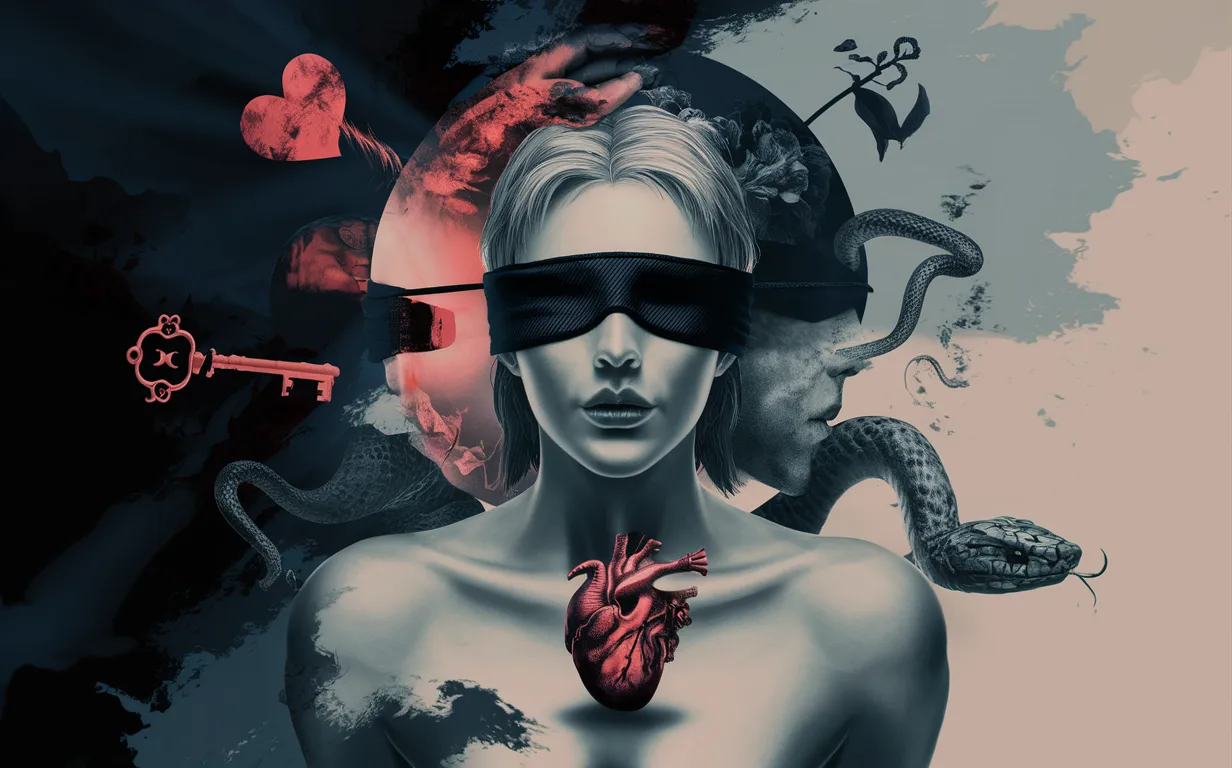
At first glance, lust and love seem like two names for the same thing, but using the wrong one can change your entire context. Whether you are dealing with this for the first time or just trying to get your facts straight, understanding the core difference is essential.
Lust is one of those words people use often, yet rarely pause to truly understand. It appears in conversations about attraction, relationships, morality, religion, psychology, and even self-control. Still, its real meaning is often blurred by pop culture, myths, and emotional assumptions.
Definition & Core Meaning
Lust refers to a strong, intense desire, most commonly associated with physical or sexual attraction, but not limited to it.
Core meanings of lust include:
- A powerful craving or urge for physical closeness
- An intense focus on desire rather than emotional connection
- A short-term, instinct-driven attraction
- A response rooted in biology and psychology
Simple examples:
- “He felt lust the moment their eyes met.”
- “Lust fades quickly when there is no emotional bond.”
- “She confused lust with love early in the relationship.”
At its core, lust is about wanting, not knowing. It focuses on the body and immediate satisfaction rather than long-term connection or shared values.
Historical & Cultural Background
The idea of lust has existed for as long as human language and storytelling.
Ancient perspectives
In ancient Greek philosophy, lust was seen as a natural impulse that needed balance through reason. Plato described desire as powerful but dangerous when left unchecked. In ancient Rome, lust was often celebrated in art yet criticized in moral philosophy.
Religious interpretations
- Christian traditions often classify lust as one of the seven deadly sins, emphasizing self-control.
- Islamic teachings view lust as a natural instinct that must be guided through discipline and ethical boundaries.
- Hindu and Buddhist philosophies see lust as a desire that can cause suffering if it leads to attachment.
Cultural interpretations
- Western cultures often portray lust as passion and excitement.
- Asian cultures tend to emphasize restraint and harmony.
- Indigenous traditions often see desire as part of natural balance, not something shameful.
These perspectives shape how societies talk about lust today.
Emotional & Psychological Meaning
Psychologically, lust is driven by hormones like dopamine and testosterone. It activates reward systems in the brain, creating urgency and excitement.
Emotional impact
- Creates strong attraction without emotional depth
- Can feel overwhelming or intoxicating
- Often fades quickly once curiosity is satisfied
Personal growth & awareness
Understanding lust helps people:
- Avoid unhealthy attachments
- Recognize emotional needs
- Build healthier relationships
- Separate impulse from intention
Lust itself is not harmful. Lack of awareness is.
See also: What Does Love Mean
Different Contexts & Use Cases
Personal life
Lust may appear as instant attraction or craving. It can motivate connection but may also cloud judgment.
Relationships
Early relationships often begin with lust. Over time, lust may evolve into love or fade completely.
Social media
Images, trends, and viral content frequently trigger lust through visual stimulation rather than real connection.
Professional or modern usage
In modern language, lust can also mean desire for success, power, or attention, such as “lust for fame.”
Hidden, Sensitive, or Misunderstood Meanings
Many misunderstandings surround lust.
Common misconceptions
- Lust always means immorality
- Lust and love are the same
- Feeling lust makes someone shallow
Reality
- Lust is a biological response
- Love includes commitment and care
- Lust can exist with or without respect
Meaning shifts depending on culture, intention, and behavior.
How to Respond When Someone Asks About It
Casual responses
- “It’s strong attraction without deep attachment.”
- “It’s more about desire than emotion.”
Meaningful responses
- “Lust is natural, but it’s not the same as love.”
- “It’s a feeling that needs awareness.”
Fun responses
- “It’s when your brain forgets logic for a moment.”
- “Attraction on fast-forward.”
Private responses
- “It’s personal desire, and everyone experiences it differently.”
Regional & Cultural Differences
Western views
Often see lust as passion and excitement.
Asian perspectives
Focus on discipline and balance.
Middle Eastern views
Emphasize moral boundaries and self-control.
African & Latin cultures
Often blend desire with emotional expression and vitality.
Cultural context shapes whether lust is celebrated, restrained, or redirected.
See also: Difference Between Love and Attraction
How Lust Affects Decision-Making
Lust can temporarily weaken rational thinking. When desire is intense, the brain prioritizes pleasure over long-term outcomes. This is why people sometimes make choices they later question. Understanding this effect helps create space between feeling and action, allowing healthier decisions without suppressing natural emotions.
Lust and Attachment Styles
People experience lust differently based on attachment patterns. Secure individuals often recognize lust without losing emotional balance. Anxious types may confuse lust with emotional safety, while avoidant types may prefer lust because it feels intense but non-binding. Knowing your attachment style brings clarity to repeated relationship patterns.
The Role of Lust in Human Evolution
From an evolutionary perspective, lust played a key role in survival. It encouraged reproduction and bonding long before modern relationships existed. This explains why lust feels instinctive and powerful. Even today, the brain responds to attraction faster than logic, reflecting ancient survival wiring.
Can Lust Exist Without Attraction?
Surprisingly, yes. Lust can be triggered by novelty, power dynamics, emotional intensity, or fantasy rather than physical attraction alone. This explains why people may feel desire for someone who doesn’t match their usual preferences. Lust is often more psychological than visual.
When Lust Becomes a Distraction
Unchecked lust can shift focus away from goals, values, or self-respect. It becomes a distraction when it leads to obsession, secrecy, or emotional imbalance. Awareness doesn’t mean denial—it means choosing alignment over impulse and keeping desire in its proper place.
Lust in Modern Digital Culture
Digital platforms amplify lust through constant visual exposure and instant gratification. Short videos, curated images, and algorithms stimulate desire without emotional context. This can desensitize real connection and raise unrealistic expectations. Mindful consumption restores balance between desire and reality.
Transforming Lust Into Emotional Awareness
Lust can be a starting point for self-understanding. Instead of acting immediately, observing desire reveals unmet needs—connection, excitement, validation, or intimacy. When acknowledged thoughtfully, lust becomes a guide rather than a controller, leading to healthier emotional expression.
FAQs
1. Is lust always sexual?
No. Lust can also refer to intense desire for power, success, or attention.
2. Can lust turn into love?
Yes, but only when emotional connection and trust develop.
3. Is lust unhealthy?
Not by itself. It becomes harmful when unmanaged.
4. How long does lust last?
Often short-term, depending on awareness and fulfillment.
5. Is it wrong to feel lust?
Feeling lust is natural. Actions matter more than feelings.
6. Can lust exist in long-term relationships?
Yes, and it can strengthen connection when balanced.
Conclusion
So, what does lust mean? Lust is a powerful human desire rooted in instinct, attraction, and curiosity. It is not love, but it is not the enemy either. When understood, lust becomes a signal rather than a problem. It reveals what draws us, what excites us, and sometimes what we are missing emotionally. Ignoring it leads to confusion. Obsessing over it leads to imbalance. Awareness creates choice.
Discover More Post
What to Write When Someone Is Moving Away (March 12, …
What Does Refurbished Mean Hidden Truths Explained
What Does Huzz Mean in Slang Truth 2026
