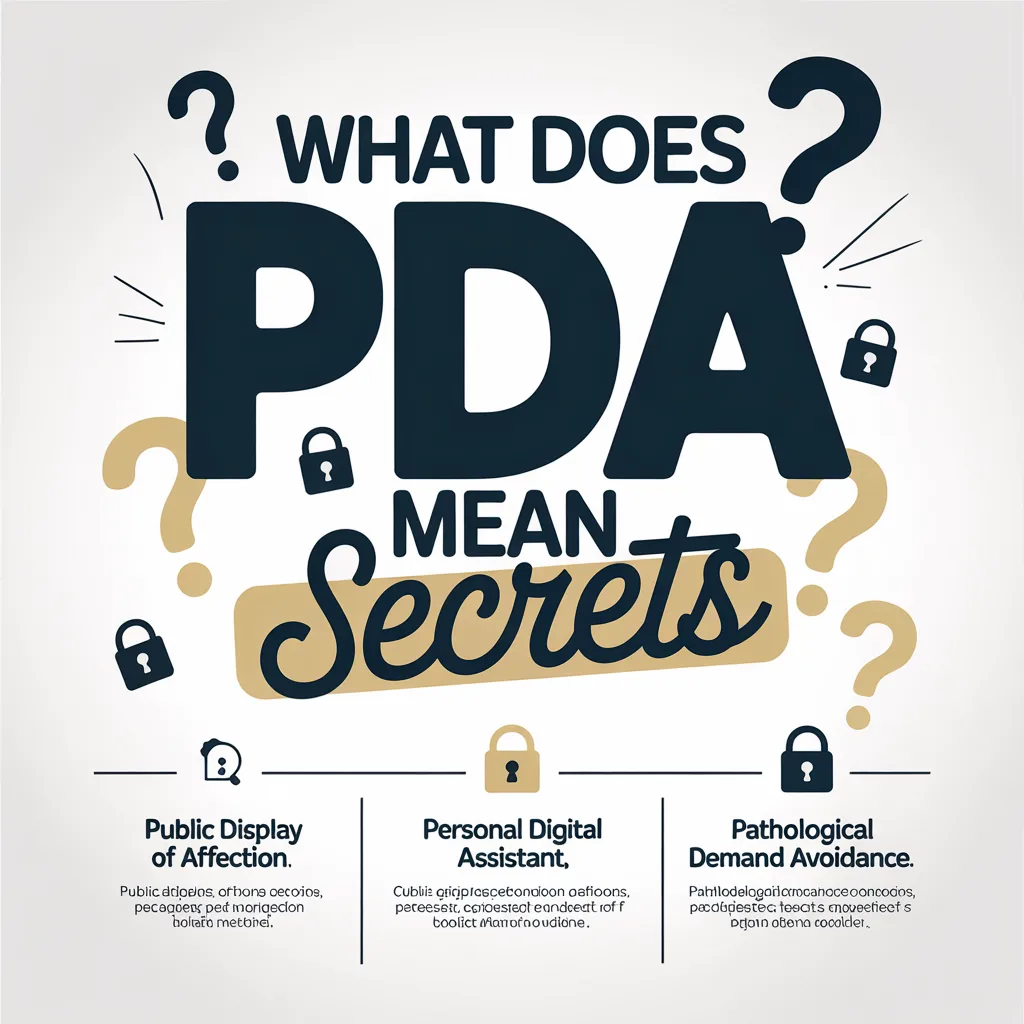
At first glance, PDA and public affection seem like two names for the same thing, but using the wrong one can change your entire context. Whether you’re seeing it for the first time or just want to understand it clearly, knowing what PDA truly means is important.
It’s more than just holding hands or stealing a quick kiss—it reflects emotions, relationship dynamics, and even cultural values. Misinterpreting PDA can lead to awkward moments or misunderstandings, especially in different social settings or countries.
Definition & Core Meaning
PDA stands for Public Display of Affection. It refers to any physical or visible expression of affection between people in public spaces.
Core Meanings:
- Physical Affection: Touch, hugs, kisses, holding hands, or cuddling in public.
- Example: “They held hands while walking through the park, showing a sweet PDA moment.”
- Verbal Affection: Expressing love or admiration aloud in front of others.
- Example: “He whispered ‘I love you’ during a crowded train ride, a soft PDA.”
- Digital/Public Sharing: Posting romantic gestures, messages, or selfies on social media.
- Example: “Their couple selfie on Instagram counts as a modern PDA.”
- Gestural or Symbolic Affection: Gifts, symbolic gestures, or coordinated outfits that display connection.
- Example: “Matching bracelets on the first date were their subtle PDA.”
- Attention-Oriented PDA: Seeking acknowledgment from others through affection.
- Example: “They waved and kissed at the café to let everyone see their relationship.”
Simple tip: PDA is not inherently inappropriate—it’s context-dependent, varying by culture, personal comfort, and location.
Historical & Cultural Background
PDA is not a modern invention; it has evolved throughout history and across cultures.
Ancient Meanings:
- Greek and Roman eras: Public affection was often casual in close friendships and romantic relationships, though extreme displays were frowned upon in formal settings.
- Medieval Europe: Public kisses were rare, reserved mainly for family or ceremonial purposes. Romantic PDA was considered improper.
Cultural Interpretations:
- Western cultures: Holding hands, hugging, or kissing is largely accepted in public, though extreme displays may attract attention.
- Asian cultures: Many Asian societies prefer private expressions. A small touch may be acceptable, but passionate displays can be socially discouraged.
- Indigenous communities: Affection can vary greatly; some celebrate public expressions as part of rituals, while others keep it private to respect communal norms.
Understanding PDA’s history and cultural roots adds depth and prevents misjudgments in multicultural settings.
Emotional & Psychological Meaning
PDA isn’t just a physical act—it carries emotional weight and psychological significance.
- Personal Growth: Expressing affection publicly can boost self-confidence and comfort with vulnerability.
- “Sharing a hand-holding moment helped me feel more secure in my relationship.”
- Identity & Relationship Signaling: PDA signals your bond, commitment, and mutual acknowledgment to the world.
- “Wearing matching outfits was their subtle way of showing shared identity.”
- Healing & Mindset: Positive PDA fosters emotional connection and can reduce stress, releasing oxytocin and reinforcing intimacy.
- Symbolism: Small gestures often symbolize respect, admiration, and emotional availability.
Emotional awareness helps navigate PDA in ways that respect both personal boundaries and social norms.
Different Contexts & Use Cases
PDA manifests differently depending on the situation.
Personal Life:
- Hand-holding, light hugs, pecks on the cheek.
- Example: “They shared a comforting hug after a long day.”
Social Media:
- Posts, stories, or videos showcasing affection.
- Example: “Tagging each other in posts can be a digital PDA.”
Relationships:
- Romantic gestures visible to friends or family.
- Example: “Kissing at a family dinner may be subtle or frowned upon depending on context.”
Professional or Modern Usage:
- Workplace PDA is usually discouraged; instead, professional gestures like supportive handshakes or congratulatory pats are safer.
Tip: Context matters more than the act itself. Knowing the setting ensures PDA is appropriate and appreciated.
Hidden, Sensitive, or Misunderstood Meanings
Despite seeming straightforward, PDA is often misinterpreted.
- Overgeneralization: Assuming all PDA reflects sexual intent—sometimes it’s just emotional support.
- Cultural Misinterpretations: What’s normal in one culture may be offensive in another.
- Private vs. Public Conflicts: Some couples prefer private affection; public gestures may feel intrusive or uncomfortable.
- Social Judgment: Observers may assign negative assumptions, which can affect reputation or relationships.
Awareness prevents unintentional offense and ensures PDA is respectful and meaningful.
How to Respond When Someone Asks About It
Knowing how to explain PDA can make social interactions smoother.
Casual Responses:
- “It’s just showing affection in public.”
- “People express love differently.”
Meaningful Responses:
- “PDA reflects emotional closeness and comfort with each other.”
Fun Responses:
- “It’s like adding a little sparkle to ordinary moments.”
Private Responses:
- “We prefer private moments, so PDA is subtle for us.”
Adapting your response ensures clarity without overexplaining.
Regional & Cultural Differences
Western:
- Common and generally accepted in public spaces, though etiquette varies by region.
Asian:
- Subtle gestures preferred; overt displays may attract disapproval.
Middle Eastern:
- Often restricted due to cultural or religious norms; even casual gestures may be limited.
African / Latin America:
- Varies widely; some communities embrace expressive PDA, others prefer discretion.
Regional awareness prevents misunderstandings and encourages respect for local norms.
PDA in Teen Relationships
Teenagers often experiment with PDA as they explore identity and social norms. Holding hands, playful hugs, or light kisses are common ways for teens to show affection. While innocent, teen PDA can sometimes draw peer judgment or parental concern. Understanding healthy boundaries helps teens express emotions safely and confidently.
PDA in Long-Distance Relationships
Even when partners are miles apart, PDA finds a digital form. Sharing photos, voice notes, video calls, or tagging each other online acts as a modern PDA. These gestures maintain closeness, show commitment, and reduce feelings of distance, keeping the emotional connection strong.
PDA and Social Media Trends
From TikTok dances to Instagram couple challenges, PDA has evolved online. Social media amplifies public affection, turning small gestures into visible statements. While fun, it can also pressure couples to perform affection publicly, so balance is key to keeping PDA authentic.
4. PDA and Relationship Milestones
PDA often marks significant moments: first date, anniversaries, or engagements. Celebratory gestures like a first kiss, shared selfies, or public congratulations serve as emotional milestones, reinforcing the bond and commemorating meaningful experiences in a relationship.
PDA Etiquette in Professional Settings
Professional environments generally discourage romantic PDA. However, friendly gestures like handshakes, pats on the back, or supportive hugs are acceptable. Knowing workplace norms ensures affection is appropriate without causing discomfort or misunderstanding.
PDA and Personality Types
Some people are naturally expressive, enjoying overt PDA, while others are reserved. Personality influences comfort with public affection, meaning partners must communicate boundaries and respect each other’s style for a balanced, healthy display of PDA.
PDA as a Confidence Booster
Publicly showing affection can enhance self-esteem and emotional security. Couples who express love openly often report stronger trust, reduced anxiety, and a greater sense of connection. Thoughtful PDA reinforces relationship positivity and personal confidence.
FAQs
1. What is considered PDA in public?
Anything from holding hands to kissing in a visible space.
2. Is PDA always romantic?
No, it can include friendship, family gestures, or digital expressions.
3. Can PDA be inappropriate?
Yes, context, location, and cultural norms determine appropriateness.
4. Is digital PDA the same as in-person PDA?
It conveys affection but lacks physical intimacy.
5. How can I gauge comfort with PDA?
Observe body language, verbal cues, and cultural expectations.
6. Are there laws about PDA?
In some countries, extreme or sexual displays may violate local laws.
7. Why do some people dislike PDA?
Personal boundaries, cultural upbringing, or social anxiety often influence preferences.
Conclusion
Understanding PDA goes far beyond holding hands or sharing a kiss—it is a reflection of emotional connection, cultural nuance, and personal identity. While gestures may differ from one culture to another, the intent remains universal: expressing care, affection, and closeness. Recognizing the types, contexts, and sensitivities of PDA allows individuals to navigate relationships confidently while respecting boundaries and societal norms.
discover more post
20+ Best Wishes for Future Success Heartfelt Funny & …
20 Black and Gold Wedding Ideas for an Elegant Theme
🌟 Proud Mom Quotes for Son – Inspiring and Loving Words …
