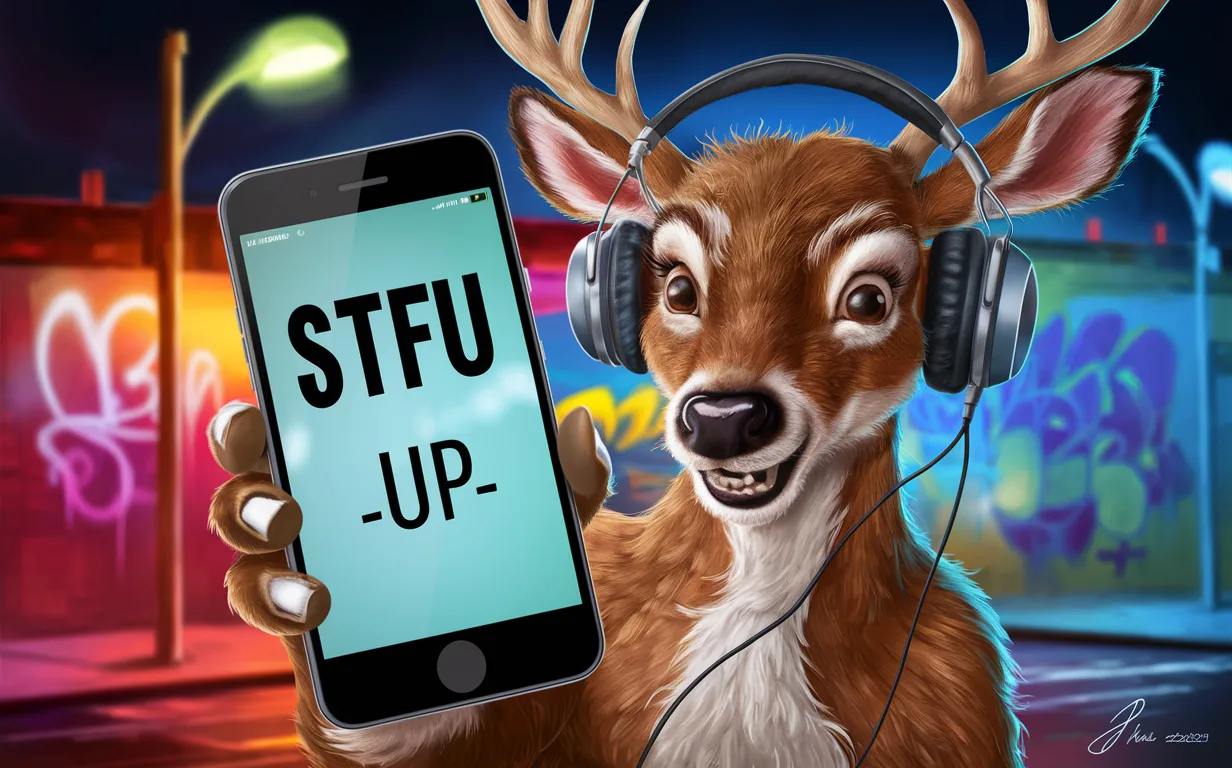
At first glance, STFU and “shut up” seem like two names for the same thing, but using the wrong one can change your entire context. Whether you are dealing with this for the first time or just trying to get your facts straight, understanding the core difference is essential.
STFU is not just a shortened version of a phrase—it carries tone, emotion, and intent that can dramatically affect how a message is received.
In digital conversations, a single acronym can shape relationships, escalate conflicts, or even end conversations instantly.
Definition & Core Meaning
STFU is an acronym that stands for “Shut The F* Up.”** It is a strong, direct command telling someone to stop talking immediately.
Core meanings explained simply:
- Harsh dismissal – A blunt way to silence someone
- Anger or frustration – Often used when emotions run high
- Mocking or joking tone – Occasionally used playfully among close friends
- Boundary setting – Used to end an unwanted conversation
Simple examples in context:
- “STFU, you’re ruining the surprise.”
- “He told me to STFU during the argument.”
- “STFU 😂 I can’t believe that happened.”
While the phrase contains profanity, its impact is emotional, not grammatical. The same letters can feel humorous or deeply insulting depending on tone and relationship.
Historical & Cultural Background
Origins in modern language
STFU emerged in the late 20th century alongside internet chat rooms, early forums, and gaming communities. Acronyms allowed people to communicate quickly, especially when typing speed mattered.
Cultural interpretations
- Western cultures: Often seen as rude or aggressive, but sometimes tolerated in humor or sarcasm
- Asian cultures: Generally considered disrespectful due to emphasis on politeness and hierarchy
- Middle Eastern cultures: Viewed as highly offensive, especially in public or family contexts
- Indigenous and traditional cultures: Direct commands to silence someone are often taboo
Historically, telling someone to “shut up” was already confrontational. Adding profanity intensified the emotional weight, turning STFU into a symbol of modern bluntness.
Emotional & Psychological Meaning
STFU is rarely neutral. It often reflects emotional overload.
Psychological signals behind its use:
- Loss of patience
- Power assertion
- Defensiveness
- Emotional shutdown
From a personal growth perspective, using STFU can signal difficulty expressing boundaries calmly. For the receiver, it may trigger feelings of rejection, embarrassment, or anger.
In healing and mindset work, recognizing why someone resorts to harsh language helps build emotional intelligence. Sometimes, STFU says more about the speaker’s state of mind than the listener’s behavior.
How STFU Reflects Modern Digital Communication
STFU is a strong example of how modern communication has become shorter, faster, and more emotionally charged. In online spaces, people often replace long explanations with sharp expressions. This reflects reduced patience, instant reactions, and a preference for blunt honesty over diplomacy. The rise of abbreviations like STFU shows how digital conversations prioritize speed, sometimes at the cost of empathy and nuance.
Why STFU Feels Stronger Than Saying “Be Quiet”
Although both phrases aim to silence someone, STFU feels more aggressive because it combines profanity with command. Profanity activates emotional responses in the brain, making the message feel more personal and confrontational. “Be quiet” can sound instructional, but STFU feels dismissive and final, which is why it often escalates tension.
STFU in Memes and Internet Humor
On meme pages and viral posts, STFU is frequently used for exaggerated humor. It often expresses shock, disbelief, or playful jealousy rather than actual anger. In these spaces, the phrase is exaggerated for comedic effect, but when removed from meme culture and placed into real conversation, its tone can shift dramatically.
Gender Perception and the Use of STFU
Studies in communication psychology suggest that harsh language like STFU is often judged differently depending on who uses it. When men use it, it may be dismissed as frustration. When women use it, it is more likely to be labeled as aggressive or emotional. This double standard affects how the phrase is interpreted socially and professionally.
STFU as a Conversation Stopper
Unlike softer phrases that allow dialogue to continue, STFU shuts down communication completely. It signals that one party is no longer interested in discussion. This can be useful for ending harassment but harmful during disagreements where understanding is needed. Its finality is what gives it power—and risk.
Why People Use STFU Instead of Explaining Themselves
Many people resort to STFU when they feel unheard or overwhelmed. It becomes a shortcut when emotions are too intense to articulate calmly. Instead of expressing boundaries or reasoning, STFU serves as an emotional release, though it rarely solves the underlying issue.
STFU and Online Anonymity
The anonymity of the internet makes people more likely to use harsh language like STFU. Without face-to-face consequences, users feel less responsible for emotional impact. This is why the phrase appears more frequently in comment sections than in real-life conversations.
Can STFU Be a Form of Self-Protection?
In some cases, people use STFU to protect themselves from verbal abuse, manipulation, or repeated provocation. When polite requests fail, harsh language becomes a defensive wall. While not ideal, this usage highlights the need for boundaries in emotionally unsafe interactions.
How STFU Shows Language Evolution
STFU demonstrates how language evolves with technology. Acronyms once used only in niche communities are now globally recognized. This evolution reflects changing social norms, where emotional expression is compressed into fewer characters, reshaping how respect, anger, and humor are communicated.
Different Contexts & Use Cases
Personal life
Used during arguments, sibling fights, or emotional moments. Often escalates conflict.
Social media
Appears in comment sections to dismiss opinions or provoke reactions. Can lead to moderation issues.
Relationships
May be joking between close partners, but risky. Misuse can damage trust quickly.
Professional or modern usage
Almost always inappropriate. Even joking use can harm credibility or workplace respect.
See also: What Does IDK Mean in Texting
Hidden, Sensitive, or Misunderstood Meanings
Many people assume STFU is always meant as a joke. This is a common mistake.
What people get wrong:
- Thinking tone doesn’t matter
- Assuming everyone understands it as humor
- Ignoring cultural sensitivity
When meaning changes:
- Adding emojis can soften it
- Capital letters increase aggression
- Public use feels harsher than private messages
STFU can also be used ironically, but irony doesn’t translate well in text, leading to misunderstandings.
How to Respond When Someone Asks About It
Casual responses
“It means telling someone to stop talking—usually rudely.”
Meaningful responses
“It’s an aggressive phrase, and context really matters.”
Fun responses
“It’s internet shorthand for ‘please pause your voice forever.’”
Private responses
“It can hurt people, so I try not to use it.”
Choosing your response shows emotional maturity and awareness.
Regional & Cultural Differences
Western regions
Often normalized in memes and online humor, but still offensive in real conversations.
Asian regions
Seen as disrespectful and confrontational.
Middle Eastern regions
Strongly negative, especially in formal or family settings.
African & Latin cultures
Tone-driven; playful among friends, unacceptable publicly.
Language reflects values. STFU highlights how digital culture sometimes clashes with traditional respect norms.
FAQs
1. Is STFU always rude?
Yes, by default it is rude, though close friends may use it jokingly.
2. Can STFU be playful?
Only when strong trust exists and tone is clearly humorous.
3. Is it okay to use STFU online?
It depends on platform rules and audience sensitivity.
4. What’s a polite alternative to STFU?
“Can we change the topic?” or “Please stop.”
5. Does STFU mean anger?
Often, but sometimes it signals shock or disbelief.
6. Is STFU offensive to everyone?
Not everyone, but many find it disrespectful.
Conclusion
STFU is a small acronym with a powerful emotional charge. While its literal meaning is straightforward, its real impact depends on tone, relationship, and cultural background. For some, it’s a joking reaction. For others, it’s deeply hurtful. Understanding this difference is what separates mindful communication from careless speech.
Discover More Post
What Does the Green Dot on Snap Mean Truth 2026
What Does Lust Mean Hidden Truths Revealed 2026
What Does Meta Mean Hidden Truth Behind the Word 2026
